
North Herts Council officers handle noise, smoke, damp, mould and hoarding cases across the district. Here is what the job involves and how to report a problem.
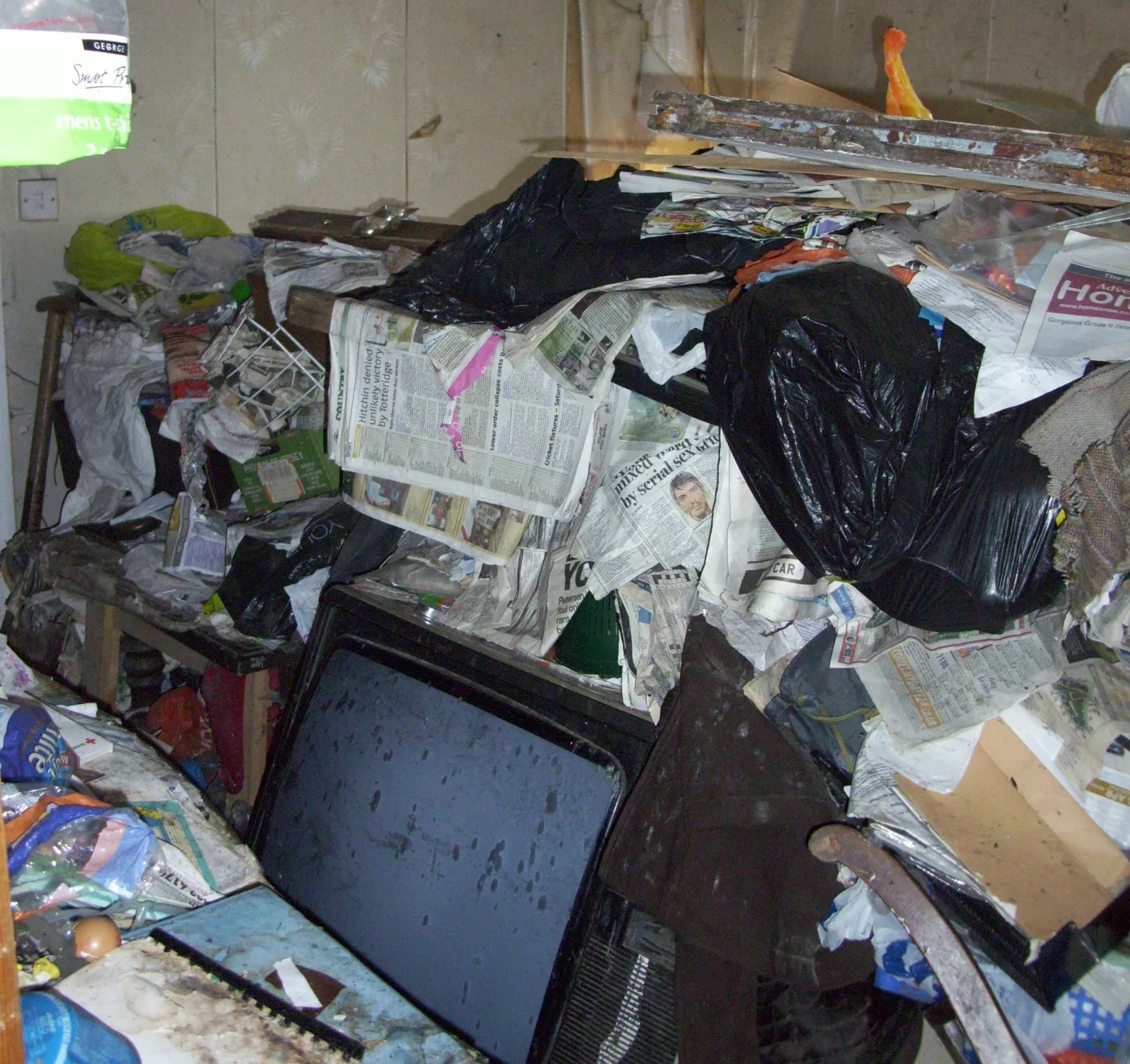
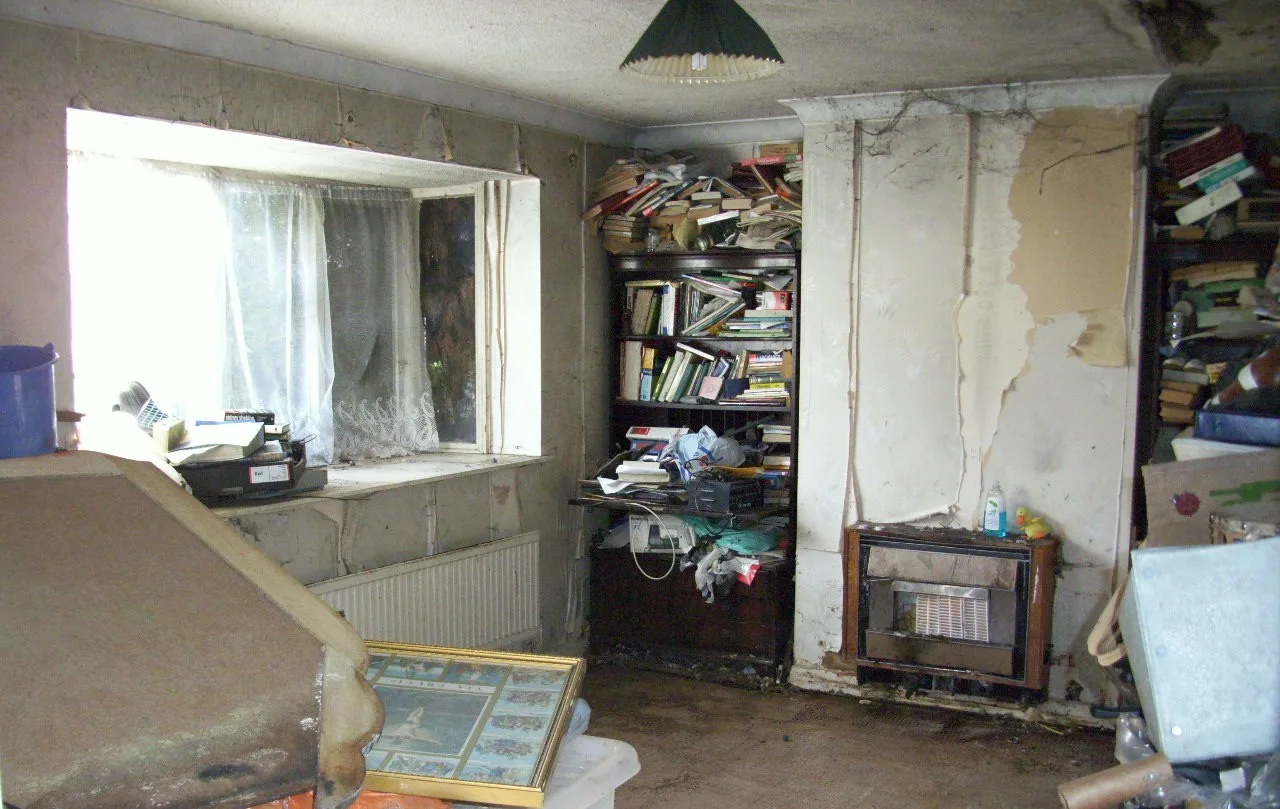
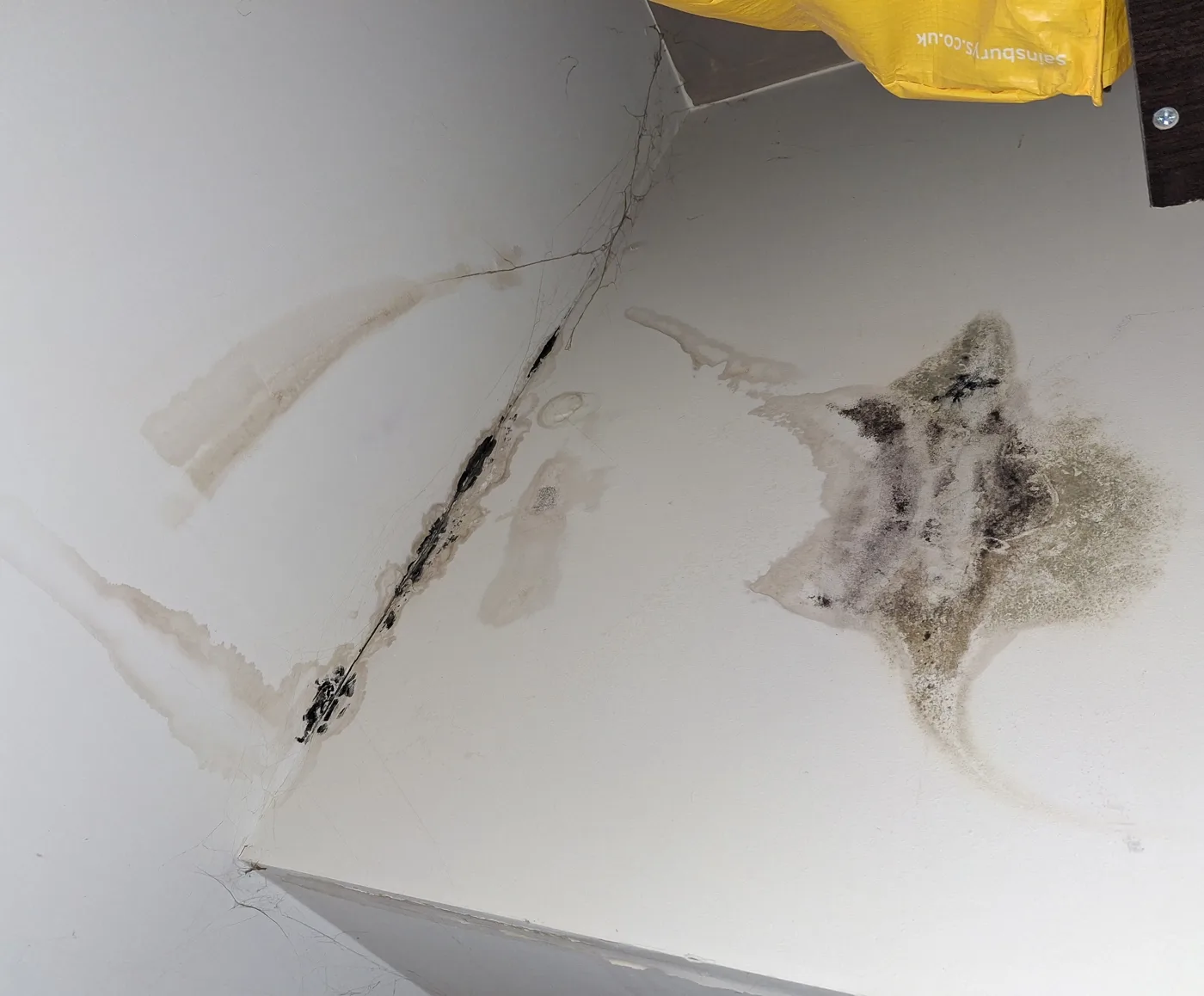
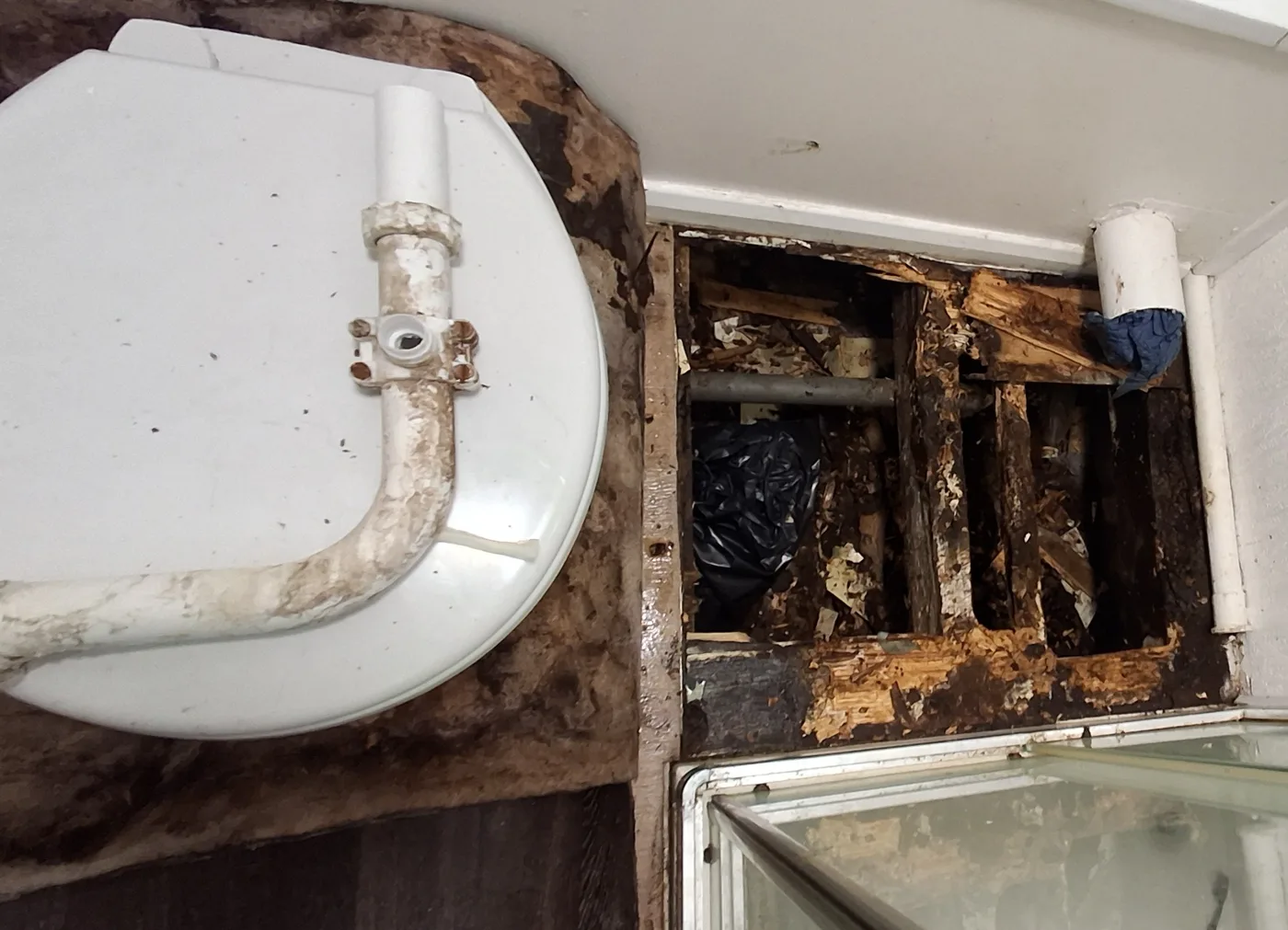
North Herts Council has released photographs from inside homes its environmental protection and housing officers have dealt with: a room buried under rubbish bags and newspapers, and bathrooms and ceilings eaten by damp and mould.
The pictures come with the council’s own account of what the team does in a typical week. Noise complaints are among the most common cases, the council said. The team is also recruiting, with vacancies in Environmental Health listed on the council’s jobs page.
North Herts Council covers the district around Stevenage, including Hitchin, Letchworth, Baldock and Royston. Stevenage itself has its own environmental health team at Stevenage Borough Council, which took a resident to court over loud music last month.
What the officers deal with
The team investigates complaints, inspects properties and monitors environmental problems, working with partners where it has powers to act. According to the council, its work covers:
- statutory nuisance, including noise, smoke, bonfires, accumulations of rubbish and pests
- contaminated land enquiries
- air quality monitoring, and the council’s annual air quality report to Defra
- complaints about housing disrepair and poor property conditions
- landlord responsibilities and tenants’ rights
- inspections of Houses in Multiple Occupation (HMOs), to make sure they are safe for the people living in them
Most of the work is unseen
Residents usually see only the end result. The council said an investigation can mean gathering evidence, site visits and talking to several parties before any decision is made.
Officers also work within strict legislation and rules on evidence. They have to decide whether formal action is appropriate, and explain to residents what the council can and cannot do in each case.
For noise, that means testing whether a complaint meets the legal threshold for a statutory nuisance. The council’s guidance describes this as noise that would bother the average person, under the Environmental Protection Act 1990, rather than noise above a set volume.
“No two cases are the same”
Sarah Scotchmer, a Senior Environmental Protection and Housing Officer at the council, said:
“Residents who contact us are often dealing with issues that affect their everyday lives, whether that’s housing conditions, persistent noise, or environmental concerns.
“No two cases are the same, and a key part of the role is listening to people, understanding their circumstances, and helping them work towards a solution. It’s rewarding to support residents and make a positive difference to their quality of life.”
Damp and mould in rented homes
The council’s housing disrepair page says tenants have a right to a home that is fit to live in. A rented home must be free of serious hazards, judged under the Housing Health and Safety Rating System, which lists 29 of them. Damp and mould growth is the first on the council’s list, alongside excess cold, carbon monoxide, noise and pests.
Tenants are not responsible for fair wear and tear, the page says, but should tell their landlord about any damage they cause.
How to report noise or smoke in North Herts
The council asks people to try a friendly word with the neighbour first, since they may not know they are causing a problem. If that fails:
- keep a diary of every incident for 21 days, with the date, time, how long it lasted and what it was
- or record samples with the Noise App on a smartphone and send them in
- return diary sheets to env.health@north-herts.gov.uk
If an investigation finds a statutory nuisance, the council will normally serve an abatement notice requiring the person to stop. Ignoring it can lead to prosecution, and the council can seize noise-making equipment in some cases.
Stevenage residents should report problems to Stevenage Borough Council instead.
Have your say