
A roofer who charged an 83-year-old £10,000 for garage roof work left at risk of collapse got a suspended sentence at Luton Crown Court and must repay it all.
A roofer who took £10,000 from an 83-year-old woman for repairs that left her garage roof at risk of collapse has been ordered to pay her back in full, after a prosecution by Hertfordshire County Council’s Trading Standards service.
Peter Howarth, 28, of no fixed address, was sentenced at Luton Crown Court on Friday 16 October to 18 months’ imprisonment, suspended for 12 months, the county council said in its announcement. He had admitted fraudulent trading, unfair commercial practices and money laundering. He must pay £10,000 compensation, the whole sum the homeowner lost, and is disqualified from being a company director for six years. His company, Marleyroofingandbuilding Ltd, was fined £250.
The homeowner lives in Hemel Hempstead, but the county’s Trading Standards team covers Stevenage too, and the warning signs in this case are ones it wants every Hertfordshire household to know.
How a £6,000 job became £10,000
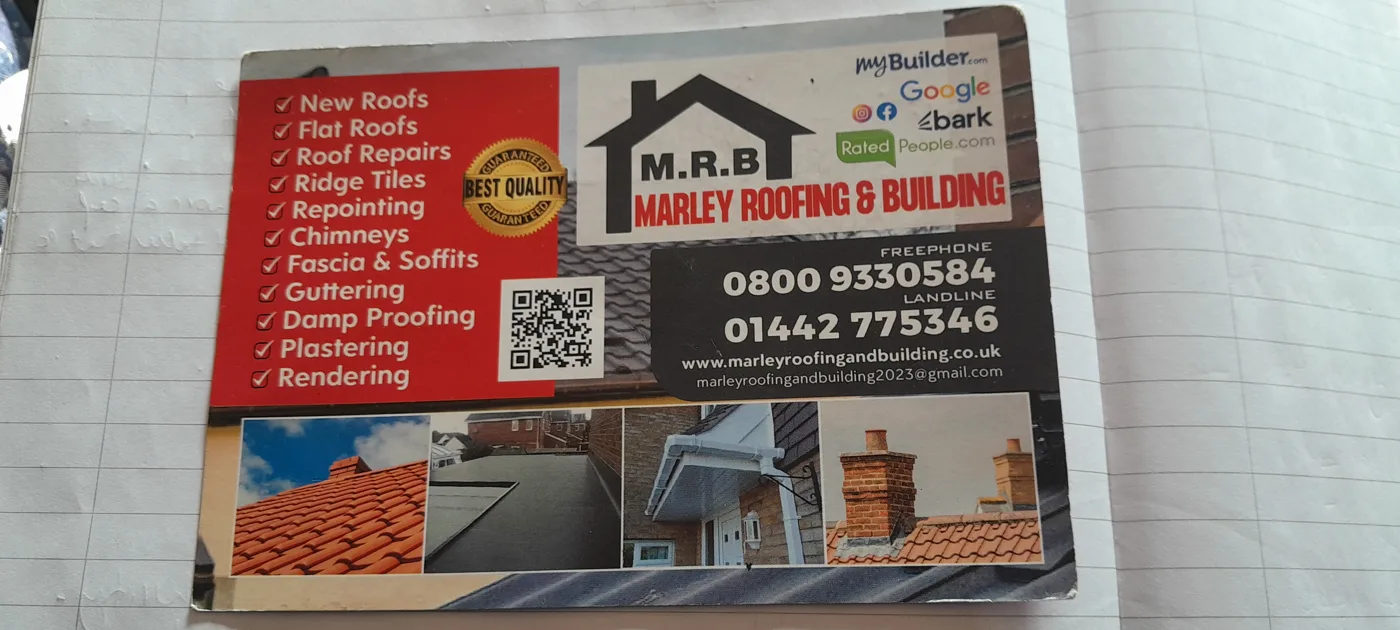
According to the council, the woman contacted the firm in September 2024 after a company flyer came through her door. She agreed to pay £6,000 to repair her garage roof.
No written contract was given and work began within days. Once it was under way, Howarth said more repairs were needed and put the price up to £10,000. She paid by cheque, and the money went into his personal bank account.
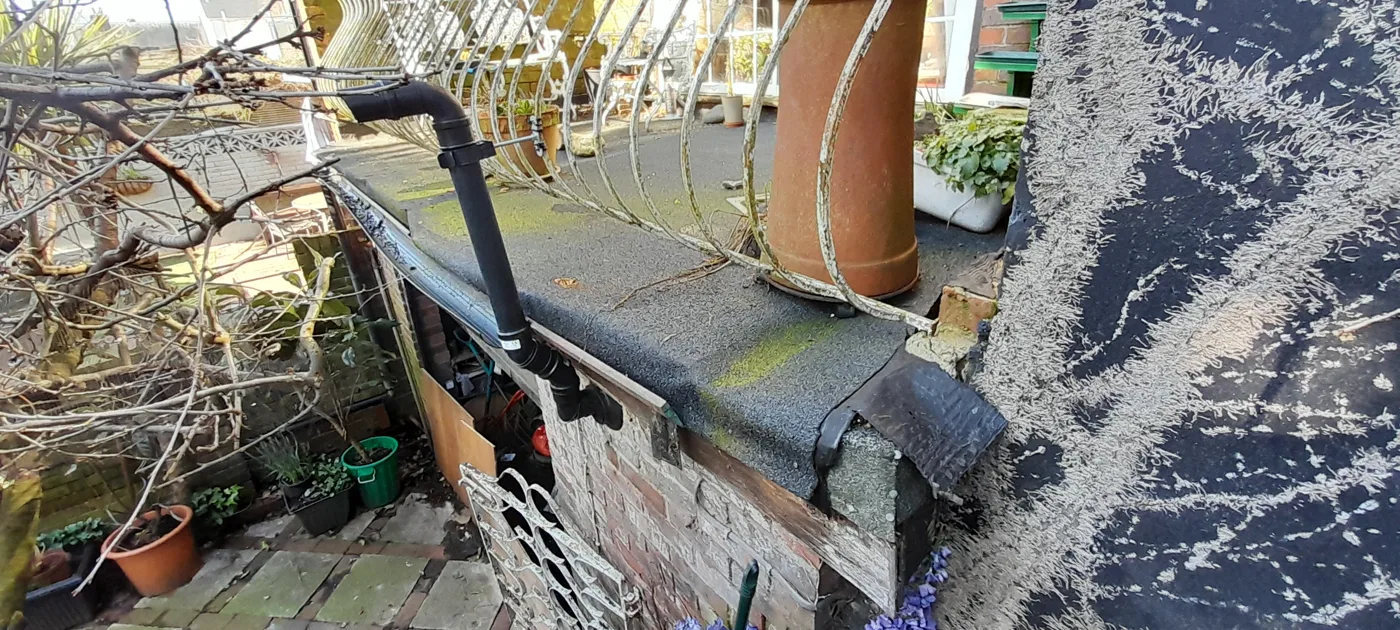
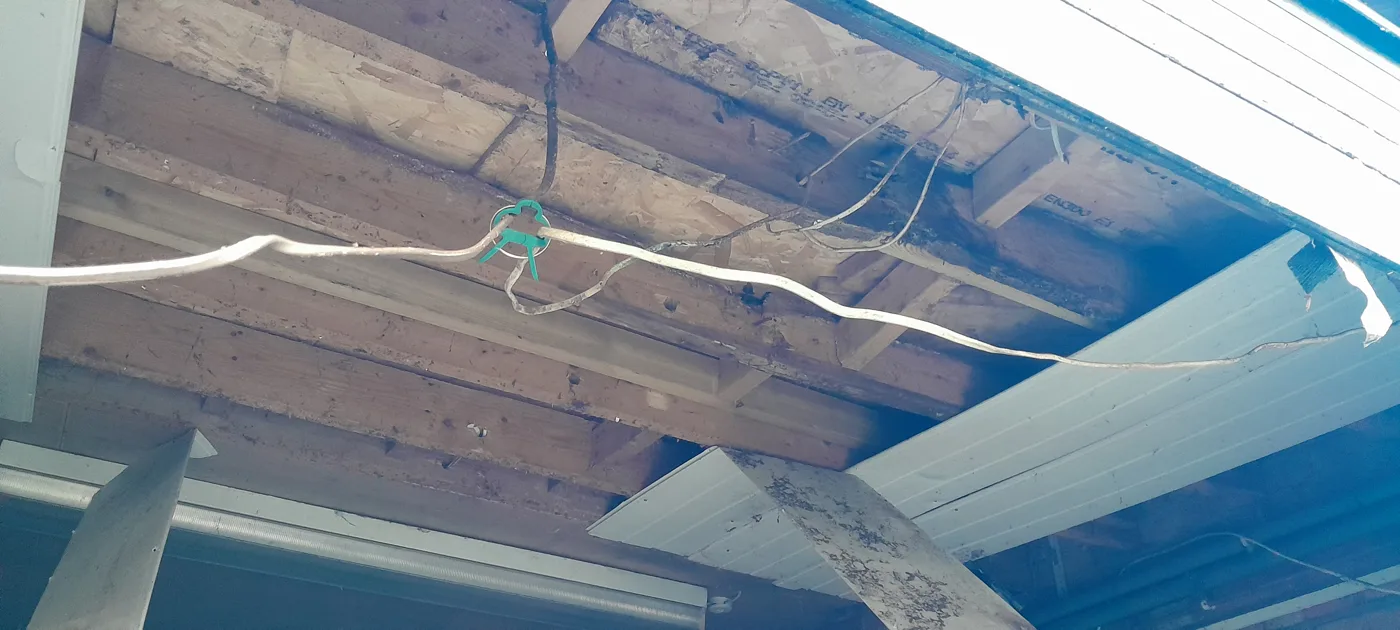
The flat roof, which she used as a garden terrace, was left in a dangerous state. An independent roofing surveyor brought in by Trading Standards found the work was of a very poor standard, that rotten structural beams had not been replaced, and that the roof was still unsafe and at risk of collapse. The surveyor concluded the work had no value and that the £10,000 was a significant overcharge.
Investigators found that £8,000 was taken out in cash within days of the payment, and that the business had been registered at Companies House using a false address. In interview, the council said, Howarth accepted the work was poor and said he would refund the money. No refund was made.
“Direct targeting of a vulnerable victim”
Passing sentence, HHJ R Johnson said the offending involved the “direct targeting of a vulnerable victim”.
The homeowner used the roof as a balcony and looked after a collection of plants there. In her victim impact statement she told the court:
“I had hoped that the repairs would provide me a space to enjoy outside but instead I’ve paid out a large amount of money, and the space is still not safe to be used. I would like just to be able to walk out and enjoy it again, but I can’t.”
Councillor Ajanta Hilton, the county council’s Executive Member for Public Health and Community Safety, said:
“This case demonstrates the devastating impact rogue traders can have on residents, particularly older and potentially vulnerable people. The homeowner paid a substantial amount of money and was left with roofing work that was not only poor quality but potentially dangerous.
“Hertfordshire Trading Standards will continue to investigate and prosecute those who exploit consumers for financial gain. I would encourage residents to take precautions when choosing traders and to report any concerns so that action can be taken to protect others.”
What he admitted, and what he is now banned from
Howarth pleaded guilty to fraudulent trading under section 993 of the Companies Act 2006, covering gross overcharging, charging for work with no value and using a false registered address, and to money laundering of £10,000 under section 327 of the Proceeds of Crime Act 2002. He and the company also admitted offences under the Consumer Protection from Unfair Trading Regulations 2008: substandard work, charging for work that was not due, registering a false address and failing to give the homeowner her cancellation rights.
The court also made a Criminal Behaviour Order lasting five years. Under it he must not:
- approach any home uninvited to sell property maintenance;
- deliver flyers or leaflets to homes;
- carry out property maintenance without the homeowner’s express written permission, given after he has set out the full works and cost in writing;
- contact or target anyone over 65, or anyone he believes to be vulnerable, for any contract.
What it means for you
Trading Standards says rogue traders reach people through cold calls (“working in the area”), leaflets through the door and posts on trader-matching websites. Its warning signs:
- a small job that turns into a bigger one, or a sudden price rise;
- an expensive quote that drops quickly, on condition the work starts straight away;
- a large deposit asked for “scaffolding” or “materials”;
- being told the job is urgent and feeling pressured to agree;
- no paperwork before work starts. You should get the trader’s legal name, address and contact details, company status, a full description of the work and materials, the full cost including whether VAT is included, how long it will take, and your cancellation rights.
Work agreed at your home carries a 14-day cancellation period, and the work can only start inside it if you ask for that. The council suggests using that time to talk to someone you trust, get a second opinion from a local trader through Hertfordshire Trading Standards’ Good Trader scheme, and ask the Citizens Advice Consumer Service about your rights on 0808 223 1133.
Concerns about a trader go to Citizens Advice on the same number. Fraud can be reported to the police through Report Fraud on 0300 123 2040. If a trader turns aggressive or starts work without your agreement, call 999: the council calls these “crimes in action” and says it is not a waste of anyone’s time.
Have your say